Trump won because he was the best option . We are absolutely sick of woke hysteria . Nothing to do with testosterone . Just common sense and decency .
chat
send private message
{dystopia union}
send

joined feb 2017
29 topics on {dystopia union}

by
oasis
Rising testosterone misuse is reshaping behavior, institutions, and elections.


by
ghetto bikes
The Death of Partying in the 21st Century









by
ike
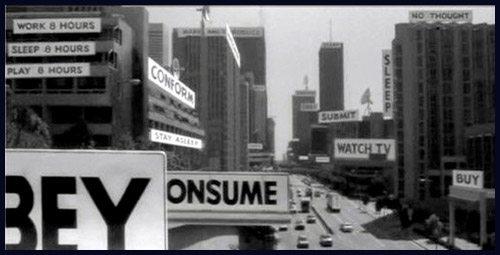
branding water as suicide


by
coldspurs
is there any reason to believe in anything



Open AI is Openly Evil



by
24601
25% of Northern England on Dole









by
vbitter
orwell vs huxley webcomic


by
theStrokes
OpenAI Quietly Deletes Ban on Using ChatGPT for “Military and Warfare”





by
1620
Switzerland is spending millions revamping its vast network of bunkers

The Silicone Valley Techbros & The Heritage Foundation are reshaping our world so who are they?



by
buddy holy
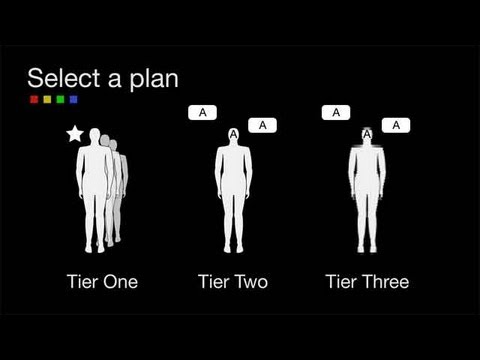
Eternal Life User Agreement

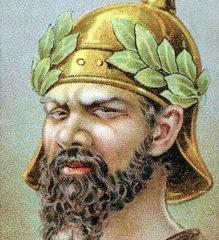
What signs of doom do we share with the Roman Empire?





by
since71
a.i. factory to build war ships

by
Tenpester
imaginary vs actual dystopia


Could governments use EMP devices to prevent malicious AI taking over the world


by
coldspurs
UK Future Crimes Division

by
zeppomarx
Albert Einstein's message to the people of 6939


by
theStrokes
Mirrored Organisms Can Wipe Out All Life
by
theStrokes
Prediction of an A.I. takeover - from 1863

by
theStrokes
Doomsday Clock Statement: It is 90 seconds to midnight


by
24601
Missiles, Planes That Fall Apart, and Murder




by
doc holiday
Duck & Cover 1950s dystopia



by
richnard
You need Musk's ego to think you can do shit about an AI takeover.







by
cjg88
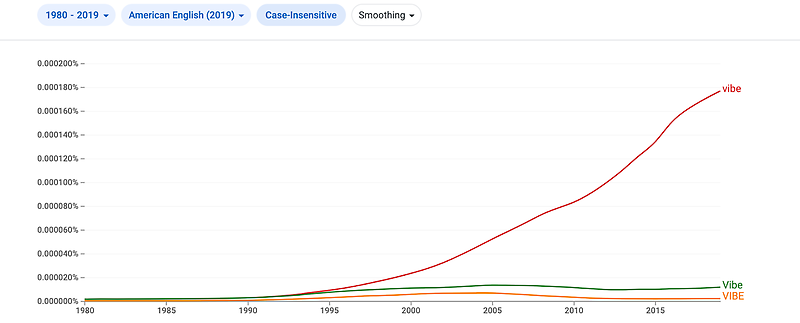
Today's World






by
theP
Steven Hawking Says We Have 100 Years Left



by
1620
Amazon Customers form Collective Gestapo





by
doc holiday
ring goes huxley

by
Tenpester
state-owned sinopharm’s profits from covid

by
dr zaius
Dark Transhumanism in Silicon Valley

bigg topics